Wisdom Teeth Extractions
(562) 518-7288 (562) 424-9473
|
Wisdom Teeth Extractions
We offer teeth extractions due to impaction, absence of space that would allow teeth to emerge in the mouth or due to decayed wisdom teeth. Most wisdom teeth are hard to reach with a toothbrush and they are located all the way to the back of the mouth so they're prone to getting a cavity and they're often recommended for extraction before they even start causing problems or before it becomes too complicated to do the procedure. |
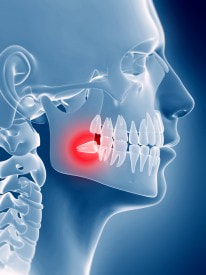
General Information on Impacted teeth and their removal
All of your teeth are formed within the jaw bones. As the roots develop, most teeth travel towards their future place in the dental arch. An impacted tooth is a tooth that goes in the wrong direction, or is blocked by another tooth or by dense bone.
All patients with impacted teeth should understand that the adjacent teeth may have been weakened or otherwise injured by the presence of impacted tooth. This weakening or injury may not be apparent until the impacted tooth is removed. Therefore the neighboring teeth must be observed carefully from three to six months after the impacted tooth has been removed.
Can Impacted Teeth Do harm?
It is not normal for a tooth to remain beneath the surface after the patient is 18-21 years of age. Even though the impacted tooth cannot be seen, saliva may reach the crown and cause decay, just as in ordinary teeth. Since it is impossible to fill such cavities, the final result is severe toothache.
All of your teeth are formed within the jaw bones. As the roots develop, most teeth travel towards their future place in the dental arch. An impacted tooth is a tooth that goes in the wrong direction, or is blocked by another tooth or by dense bone.
All patients with impacted teeth should understand that the adjacent teeth may have been weakened or otherwise injured by the presence of impacted tooth. This weakening or injury may not be apparent until the impacted tooth is removed. Therefore the neighboring teeth must be observed carefully from three to six months after the impacted tooth has been removed.
Can Impacted Teeth Do harm?
It is not normal for a tooth to remain beneath the surface after the patient is 18-21 years of age. Even though the impacted tooth cannot be seen, saliva may reach the crown and cause decay, just as in ordinary teeth. Since it is impossible to fill such cavities, the final result is severe toothache.
Post-Operative Care for
Extraction:_
(Instructions for Home Care)
Extraction:_
(Instructions for Home Care)
It is important to take care of your surgery site, so please follow these instructions.
1.Do's
a. Bite on gauze for 30 minutes
to stop any bleeding. If bleeding continues, place another gauze and continue to apply pressure.
b. Cold compress for 24 hours (on & off)
ice chips inside the mouth and/or ice pack on the extraction side.
c. Do maintain a soft diet
for the remainder of the day; things like warm soup, ice cream, milk shakes (remember no straw), etc.
2. Don'ts
1. For at least 24 hours
-Spit excessively
-Drink through a straw
-Smoke
-rinse with mouthwash
-Drink alcohol, carbonated beverages or hot liquids
-Blow your nose Any of these things may cause the blood clot over the surgery to dislodge from the site, causing a "dry socket" and resulting in unnecessary pain. (Should this happen occur, call the office to see the doctor as soon as possible.)
3. After 24 hours
a. Start rinsing gently with warm salt
water (1/4 teaspoon of salt to 1 cup of water) every morning evening.
b. Can use mouthwash
4. If you were given medications,
take them according to the instructions. If you have pain medications at home, you may take them according to the instructions.
5. If your pain, discomfort, or bleeding continues or worsens,
call the office for a re-examination.
6. If any problems or questions do arise,
please feel free to call the office.
Bleeding
A gauze pad has been placed on the extraction site to control bleeding. Pressure by biting on it should be applied for at least 30 minutes and continue replacing it within that period of time if its full with blood and saliva.
If you experience profuse bleeding, call our office. do not drink carbonated beverages,smoke, spit, lie down flat or physically exert yourself. These activities will prolong the bleeding and delay healing.
Swelling
You may notice some swelling following an extraction. This is to be expected. Apply an ice bag to the side of the face where extraction site.
1.Do's
a. Bite on gauze for 30 minutes
to stop any bleeding. If bleeding continues, place another gauze and continue to apply pressure.
b. Cold compress for 24 hours (on & off)
ice chips inside the mouth and/or ice pack on the extraction side.
c. Do maintain a soft diet
for the remainder of the day; things like warm soup, ice cream, milk shakes (remember no straw), etc.
2. Don'ts
1. For at least 24 hours
-Spit excessively
-Drink through a straw
-Smoke
-rinse with mouthwash
-Drink alcohol, carbonated beverages or hot liquids
-Blow your nose Any of these things may cause the blood clot over the surgery to dislodge from the site, causing a "dry socket" and resulting in unnecessary pain. (Should this happen occur, call the office to see the doctor as soon as possible.)
3. After 24 hours
a. Start rinsing gently with warm salt
water (1/4 teaspoon of salt to 1 cup of water) every morning evening.
b. Can use mouthwash
4. If you were given medications,
take them according to the instructions. If you have pain medications at home, you may take them according to the instructions.
5. If your pain, discomfort, or bleeding continues or worsens,
call the office for a re-examination.
6. If any problems or questions do arise,
please feel free to call the office.
Bleeding
A gauze pad has been placed on the extraction site to control bleeding. Pressure by biting on it should be applied for at least 30 minutes and continue replacing it within that period of time if its full with blood and saliva.
If you experience profuse bleeding, call our office. do not drink carbonated beverages,smoke, spit, lie down flat or physically exert yourself. These activities will prolong the bleeding and delay healing.
Swelling
You may notice some swelling following an extraction. This is to be expected. Apply an ice bag to the side of the face where extraction site.
Pre-operative instructions for
minimal Oral Conscious sedation
Read More on ....
Sedation Dentistry in Long Beach
minimal Oral Conscious sedation
Read More on ....
Sedation Dentistry in Long Beach
Post-Operative Care for
Oral Concious Sedation
***AS SOON AS YOU GET HOME, EAT & DRINK RIGHT AWAY EVEN IF YOU'RE NOT HUNGRY.***
Stay HOME, REST & LIE DOWN in your bed to allow the medication to wear off. Someone should be with you when you get up (EASY) & walk (SLOWLY) to the bathroom just in case you get DIZZY.
Medications:
You should be able to continue your regular & routine prescribed medications after 1day
Take prescribed medications such as antibiotic & pain meds
Diet:
Drink plenty of fluids & EAT. Soft food and liquids should be eaten on the day of surgery. Avoid hot liquids or food. Return to a normal diet as soon as possible unless otherwise directed.
Pain (Daytime Combination Meds-OTC):
You should begin taking pain medication even before the local anesthetic wears off.
FOR MODERATE PAIN, 1 Tylenol (Acetaminophen) 500mg may be taken together with Ibuprofen (Advil or Motrin)400 mg every 4-6 hours
for pain as necessary.( Ibuprofen, bought over the counter comes in 200 mg per tablet: 2-3 tablets may be taken every 4-6 hours).
FOR SEVERE PAIN, take 2 tablets Tylenol ES (Acetaminophen) 500mg together with Ibuprofen 600mg maybe taken every 6-8 hours, OR take
the prescribed medication which should be taken as directed. Do not take any of the above medication if you are allergic, or have been
instructed by your doctor not to take it
Antibiotics
Please be sure to take the prescribed antibiotics as directed to help prevent infection.
Oral Hygiene
For any Surgery = Good oral hygiene is essential to faster healing. The night of the surgery, avoid rinsing your mouth vigorously and do not use toothpaste when brushing so you don’t feel the need of rinsing your mouth. Be gentle initially with brushing the surgical areas. The day after surgery, the Peridex should be used twice daily for 30 seconds, after breakfast and before bed. Do not eat, drink or rinse your mouth for 30 minutes after using the medicated rinse. Using this rinse more than twice a day will cause staining of your teeth. OR after several days if instructed, warm salt water rinses (teaspoon of salt in a cup of warm water) should be used at least 2x times a day, as well, especially after meals
For other procedures = You should be able to go back to brushing in regular & normal manner as soon as the numbing wears off
Activity
Keep physical activities to a minimum immediately following surgery. If you are considering exercise throbbing or bleeding may occur. If this occurs, you should discontinue exercising. Keep in mind that you are probably not taking normal nourishment. This may weaken you and further limit your ability to exercise.
Post Operative PROBLEMS or COMPLICATIONS:
As with any procedure, unexpected post operative healing can occur. It is our desire that your recovery be as smooth and pleasant as possible. Please call and let us know:
1. Headache - it should go away as soon as you take your pain meds
2. Dry mouth (sugarless gums, ice cubes, saliva substitute s such as biotene, xylimelts, etc)
drowsiness, dizziness, weakness; feeling nervous; blurred vision; flu-like symptoms;
dry mouth, trouble speaking; abnormal liver function tests; runny nose, sore throat; urination problems;
3. OTHER COMPLICATIONS: Includes but not limited to: discomfort, swelling, bruising, infection, allergic reactions, and nausea. Nausea & Vomiting although UNCOMMON, maybe an adverse effects. Other RISKS might include complications of the heart irregularities, like palpitations, high &/or low blood pressure.
IF ANY of the above complications PERSIST within 24 hours, please do not hesitate to call us.
Stay HOME, REST & LIE DOWN in your bed to allow the medication to wear off. Someone should be with you when you get up (EASY) & walk (SLOWLY) to the bathroom just in case you get DIZZY.
Medications:
You should be able to continue your regular & routine prescribed medications after 1day
Take prescribed medications such as antibiotic & pain meds
Diet:
Drink plenty of fluids & EAT. Soft food and liquids should be eaten on the day of surgery. Avoid hot liquids or food. Return to a normal diet as soon as possible unless otherwise directed.
Pain (Daytime Combination Meds-OTC):
You should begin taking pain medication even before the local anesthetic wears off.
FOR MODERATE PAIN, 1 Tylenol (Acetaminophen) 500mg may be taken together with Ibuprofen (Advil or Motrin)400 mg every 4-6 hours
for pain as necessary.( Ibuprofen, bought over the counter comes in 200 mg per tablet: 2-3 tablets may be taken every 4-6 hours).
FOR SEVERE PAIN, take 2 tablets Tylenol ES (Acetaminophen) 500mg together with Ibuprofen 600mg maybe taken every 6-8 hours, OR take
the prescribed medication which should be taken as directed. Do not take any of the above medication if you are allergic, or have been
instructed by your doctor not to take it
Antibiotics
Please be sure to take the prescribed antibiotics as directed to help prevent infection.
Oral Hygiene
For any Surgery = Good oral hygiene is essential to faster healing. The night of the surgery, avoid rinsing your mouth vigorously and do not use toothpaste when brushing so you don’t feel the need of rinsing your mouth. Be gentle initially with brushing the surgical areas. The day after surgery, the Peridex should be used twice daily for 30 seconds, after breakfast and before bed. Do not eat, drink or rinse your mouth for 30 minutes after using the medicated rinse. Using this rinse more than twice a day will cause staining of your teeth. OR after several days if instructed, warm salt water rinses (teaspoon of salt in a cup of warm water) should be used at least 2x times a day, as well, especially after meals
For other procedures = You should be able to go back to brushing in regular & normal manner as soon as the numbing wears off
Activity
Keep physical activities to a minimum immediately following surgery. If you are considering exercise throbbing or bleeding may occur. If this occurs, you should discontinue exercising. Keep in mind that you are probably not taking normal nourishment. This may weaken you and further limit your ability to exercise.
Post Operative PROBLEMS or COMPLICATIONS:
As with any procedure, unexpected post operative healing can occur. It is our desire that your recovery be as smooth and pleasant as possible. Please call and let us know:
1. Headache - it should go away as soon as you take your pain meds
2. Dry mouth (sugarless gums, ice cubes, saliva substitute s such as biotene, xylimelts, etc)
drowsiness, dizziness, weakness; feeling nervous; blurred vision; flu-like symptoms;
dry mouth, trouble speaking; abnormal liver function tests; runny nose, sore throat; urination problems;
3. OTHER COMPLICATIONS: Includes but not limited to: discomfort, swelling, bruising, infection, allergic reactions, and nausea. Nausea & Vomiting although UNCOMMON, maybe an adverse effects. Other RISKS might include complications of the heart irregularities, like palpitations, high &/or low blood pressure.
IF ANY of the above complications PERSIST within 24 hours, please do not hesitate to call us.
Long Beach Dentist
(562) 424-9473
(562) 518-7288
(562) 424-9473
(562) 518-7288