
|
TMJ (temporomandibular joint) disorder involves the structures of the jaw joints. It is characterize by pain in the joint area, limited mouth opening, locked jaw (either open or closed) clicking or popping sounds in the jaw joints, headaches and pain of jaw muscles. There are many factors that cause the disorder. The most common causes are:
1. Trauma Any injury to the jaw can result in sudden or long term TMJ disorder. A blow to head, even not directly to the jaw can damage the disc or capsule of the joints. Pain in the ear, neck or facial muscles can be referred pain from the TMJ. We at our Long Beach dental office have treated sports related trauma that cause TMJ. Contact sports like Boxing & Tae Kwon Do seem to cause some TMJ cases in our area. Fabrication of well fitting & custom made sports mouth guards by a dentist are a good preventative measure. If its not comfortable, athletes tend not to wear them. 2.Arthritis Consult with your medical doctor for treatment depending on the type of arthritis and its symptoms. Just as any pain or symptoms in the other joints of the body, can also affect the TMJ. 3. Articular Disk Displacement The disk connected with ligaments and muscles may be displaced from a number of reasons including worn or damage disk, stretched or stress ligaments. Patients may experience clicking or popping sound, limited opening of mouth or locked jaw. Patients should seek professional help to determine severity of TMJ and its disk. 4. Bruxism and Clenching Bruxism or teeth grinding and clenching can lead to TMJ Disorder if habit is not corrected in time. Not only damage to teeth after severe chronic bruxism, jaw joints can be become tender and painful, especially in the morning after patient wakes up. A cosmetic dentist may recommend varying forms of treatment. Dr. Jeff Velasquez (are you suffering from TMJ Disorder?)
0 Comments
WHAT TO DO WHEN YOU'RE GRINDING
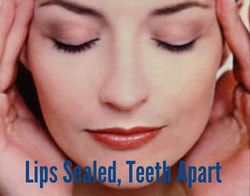
There are some other ways to train yourself in preventing clenching and grinding habits. One way is to deprogram your muscles by placing the tongue between your teeth during swallowing. This will prevent activating the jaw muscles to clench. Long Beach dentist Jeff Velasquez offers Occlusal Guard or Splint deprogramming device for night time use to prevent grinding. It is during sleep where most of the damage occurs. When you think you're grinding your teeth always remember: Lips Sealed,Teeth Apart. Your teeth should be touching only when your chewing. Lips close, slightly drop jaw, and maintain that feeling. The signs and symptoms of someone who is grinding and clenching are morning headaches, jaw muscle pain, worn down teeth, gum recession and abrasions on the neck of the teeth, so if you think you exhibit this signs consult your dentist. Jeff Velasquez, DDS (are you grinding & clenching?) WHAT TO DO WHEN YOU'RE GRINDING
There are some other ways to train yourself in preventing clenching and grinding habits. One way is to deprogram your muscles by placing the tongue between your teeth during swallowing. This will prevent activating the jaw muscles to clench. Long Beach dentist Jeff Velasquez offers Occlusal Guard or Splint deprogramming device for night time use to prevent grinding. It is during sleep where most of the damage occurs. When you think you're grinding your teeth always remember: Lips Sealed,Teeth Apart. Your teeth should be touching only when your chewing. Lips close, slightly drop jaw, and maintain that feeling. The signs and symptoms of someone who is grinding and clenching are morning headaches, jaw muscle pain, worn down teeth, gum recession and abrasions on the neck of the teeth, so if you think you exhibit this signs consult your dentist. Jeff Velasquez, DDS (are you grinding & clenching?) At Dr. Jeff Velasquez's Long Beach, CA cosmetic dentistry, we don't consider stress
as the main cause of grinding and clenching, although grinding might be more pronounced or elevated during stressful times in a persons' life. We've seen happy and healthy kids who grind their teeth away. But there are many factors that trigger a person to grind their teeth. Blaming the patient for being too stressed out, telling them to reduce their stressed levels and asking them to take stress relieving therapy won't really help their bruxism. They've been told all their lives to relax. It didn't help. Grinding is a habit developed and reinforced over the years. The one who does it is not even aware of the habit. Muscles in the jaw are programmed and activated to cause the destructive movements, according to leading experts. Years of bruxism will cause wear of dentition like our patient above. The damage also includes loose teeth, fractured teeth, muscle pain and headaches in the morning when a person wakes up. Consult with a Cosmetic Dentist for treatments using dental appliances like deprogramming splints and occlusal guards. And also consult with a Cosmetic Dentist to restore worn teeth or damage teeth. One way to deprogram the habit of grinding according to experts is to keep tongue between the teeth during swallowing. It prevents activation of jaw muscles. Try multiple repetitions, a few times a day. 1. Rest: tongue between teeth 2. Swallow: teeth apart, still tongue between teeth 3. Rest again: teeth stay apart. Jeff Velasquez, DDS (severe bruxism, cosmetic dentistry) 3/17/2015 Do you know that brushing your teeth with your left or non dominant hand will help your creativity and problem solving skills? Studies have shown that creativity is in the right hemispheres of our brain and that we are able to stimulate this part of the brain when working with the non dominant hand. It is learning the same skills all over again that our right hand can do automatically. In fact, both hemispheres are stimulated when we use the "other" hand. And that new connections are developed between the two sides of our brain, according to Jill Taylor Phd, a Neuroanatomist from Indiana University School of Medicine. If we are able to use the creative side and the logical side of our mind, then we will be able to think "outside the box" and improve our problem solving skills. In her book, The Power of Your Other Hand, Lucia Capacchione states that, "When a dialog occurs between the left and right hemispheres of the brain, both emotions and (logical) thoughts are more fully expressed and understood." It will help us see things differently, look at certain problems thoroughly and solve them ultimately. With practice, eventually you will become ambidextrous but the whole idea is to confuse the brain by trying to learn new skills even though your other hand can do it better. Here is a list of daily activities you can do: -brushing teeth (although you do need to brush teeth properly) -opening jars -drawing -writing -using a can opener -eating with chopsticks -stirring coffee -even playing tennis (Which I don't recommend; I tried, but my friends won't play with me anymore) Any daily task will do. Share your story. Did you feel clumsy? Jeff D. Velasquez, DDS (benefits of brushing your teeth with non dominant teeth) |
AuthorDr. Jeff D. Velasquez Archives
February 2026
Categories |
RSS Feed